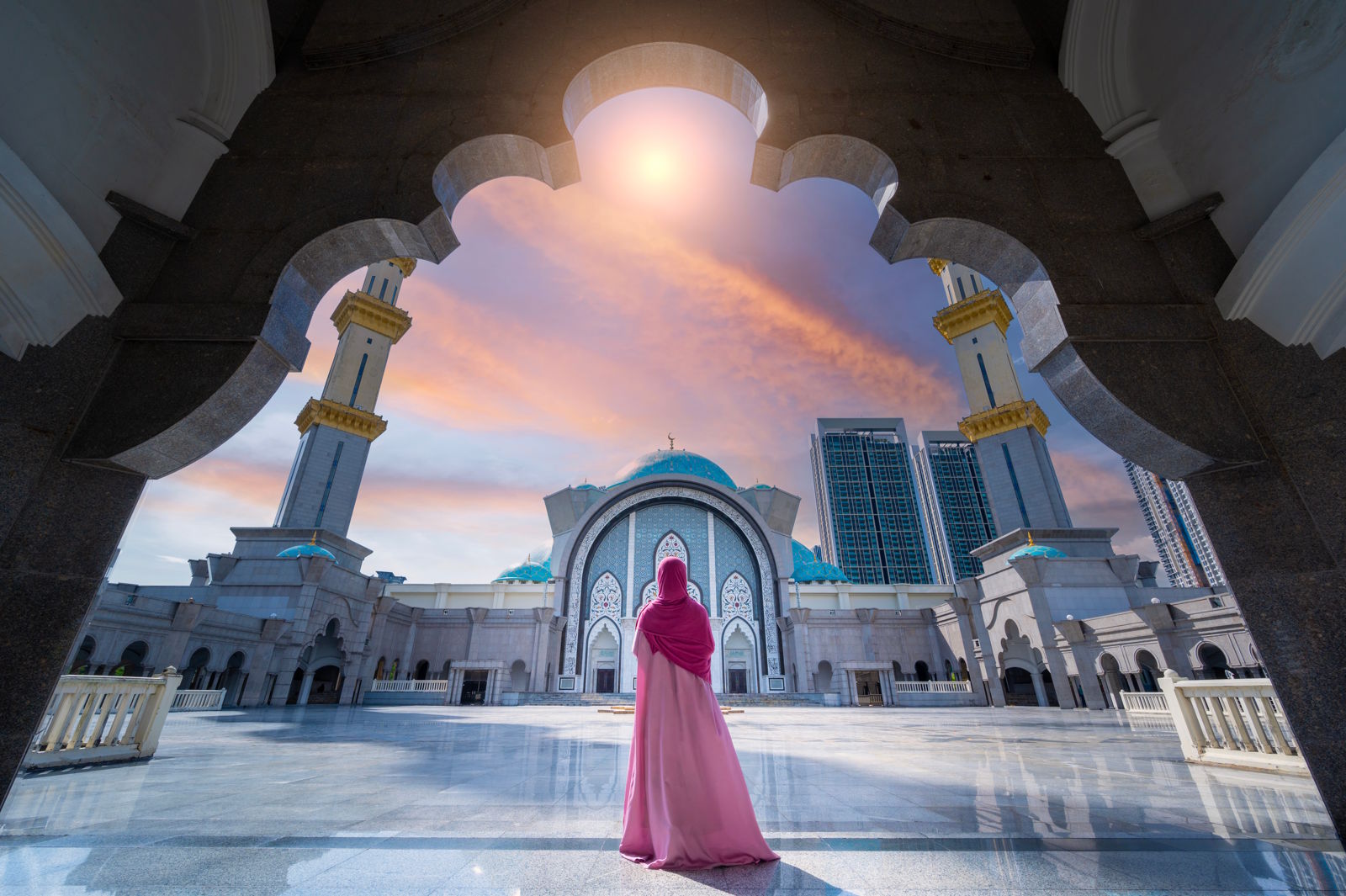
What if your next home abroad isn’t the destination everyone is talking about? With cosmopolitan cities, extraordinary cultural diversity, remarkable landscapes, and a sophisticated approach to everyday living, Malaysia offers a different perspective on life in Southeast Asia.
- A Different Way to Imagine Life in Southeast Asia
- Where Cultures Meet, and Dinner Is Never Boring
- A Modern City Today, a Rainforest Tomorrow
- The Unexpected Appeal of Everyday Convenience
- Could You Actually Make Malaysia Your Home?
- Perhaps Malaysia Belongs on Your Shortlist
- Frequently Asked Questions About Living in Malaysia
There is an interesting tendency among people considering a move to Southeast Asia. The conversation often begins with the same familiar destinations, usually accompanied by visions of oceanfront villas, palm trees, and an altogether slower pace of life. Malaysia rarely seems to command the same enthusiasm, at least among Western audiences dreaming of a new beginning abroad.
Which is rather surprising when you consider what the country actually offers.
Malaysia has a modern, internationally connected capital, a remarkable culinary heritage, tropical islands, mountain retreats, historic trading cities, and some of the most extraordinary rainforests on the planet. It also has established private hospitals, international schools, contemporary residential developments, and an English-speaking business environment that makes daily life relatively accessible for many foreign residents.
None of these qualities is particularly new. Malaysia has been a regional center of commerce and cultural exchange for centuries. Yet somehow, when the conversation turns from visiting Southeast Asia to actually living there, it is a country that many people have yet to consider seriously.
Perhaps it is time to change that.
A Different Way to Imagine Life in Southeast Asia
For many people, the dream of moving abroad begins with the sea. There is something undeniably appealing about waking up to an ocean view, walking barefoot along the beach, and imagining that everyday life might feel like an extended vacation. Yet anyone who has spent years living in a popular coastal destination knows that priorities can change. The beach remains beautiful, but it may no longer be the place you visit every afternoon. Instead, a favorite restaurant, a pleasant neighborhood, good healthcare, cultural activities, and the freedom to travel easily begin to shape the quality of daily life.
Malaysia is particularly interesting when viewed through this lens. Rather than asking which beach is the most beautiful, it invites a different question: What kind of life would you actually enjoy living?
Kuala Lumpur provides one possible answer. The capital is energetic, cosmopolitan, and surprisingly green in places, with contemporary residential towers, established neighborhoods, rooftop restaurants, parks, galleries, and an extensive choice of international dining. Modern condominiums can offer landscaped gardens, swimming pools, fitness facilities, and impressive city views, while the surrounding neighborhoods provide the cafés, markets, and services that turn an attractive apartment into a comfortable home.
It is not a city without frustrations. Traffic can be demanding, humidity is part of daily life, and some neighborhoods are far more convenient than others. But Kuala Lumpur offers something that is sometimes overlooked in the search for tropical perfection: the pleasure of living in a substantial international city while remaining firmly connected to Southeast Asia.
And for people who prefer somewhere smaller, Malaysia has other possibilities. Historic Melaka offers architectural character and a slower urban rhythm, while Johor Bahru has developed a distinctive residential appeal through its proximity to Singapore. Langkawi introduces a quieter island setting, and Penang combines a remarkable cultural identity with established urban amenities. Each represents a different interpretation of what a home abroad might look like.
The attraction is not that one place is universally better than another. It is that Malaysia offers genuine choices beyond the conventional resort lifestyle.
Where Cultures Meet, and Dinner Is Never Boring
One of Malaysia’s greatest pleasures is its extraordinary cultural variety. Malay, Chinese, Indian, and Indigenous traditions have shaped the country’s identity over generations, creating a society in which different languages, religions, architectural styles, and culinary influences coexist in everyday life.
Nowhere is this more immediately enjoyable than at the table. Breakfast might involve freshly prepared roti canai and teh tarik, lunch a fragrant bowl of laksa, and dinner anything from Chinese seafood to banana leaf rice or contemporary Malaysian cuisine. Traditional hawker centers, neighborhood restaurants, lively markets, and sophisticated dining establishments all contribute to a food culture that rewards curiosity.
Yet the experience extends well beyond eating. A walk through an established neighborhood might reveal an ornate Chinese temple, a mosque, historic shophouses, and a busy market within a relatively small area. Religious festivals, family traditions, and centuries of maritime trade have left their mark on the country’s streets and communities. This is not cultural diversity packaged for tourists. It is part of Malaysia’s everyday character.
Malaysia is a Muslim-majority country, and understanding local customs and religious traditions is part of settling in. Social expectations vary between regions and communities, but the country’s long history of cultural exchange gives it a distinctive atmosphere. English is widely used in many urban and professional settings, making the transition easier for international newcomers, although a little Bahasa Malaysia can go a long way toward feeling more connected to local life.
For people who enjoy living somewhere with layers of history and an endless variety of everyday discoveries, Malaysia has a great deal to offer.
A Modern City Today, a Rainforest Tomorrow
Perhaps the most unexpected aspect of Malaysia is the sheer variety of landscapes within its borders. It is entirely possible to make a modern city your home while having access to mountain scenery, tropical islands, and remarkable natural environments for weekends and longer escapes.
The Cameron Highlands offer rolling tea plantations, misty hills, and a noticeably cooler climate than the lowlands. Langkawi’s dramatic limestone formations rise above mangrove forests and the waters of the Andaman Sea. Along the peninsula’s east coast, islands and fishing communities reveal another side of Malaysian life, shaped by local traditions and seasonal weather patterns.
Then there is Malaysian Borneo, where the scenery becomes even more extraordinary. Sabah is home to Mount Kinabalu and important wildlife habitats, while Sarawak is known for its extensive rainforests, river landscapes, spectacular caves, and Indigenous cultural heritage. These are not simply additional attractions on a sightseeing itinerary. They represent a natural and cultural richness that can become part of the wider experience of living in Malaysia.
Of course, distances, domestic flights, and seasonal conditions still matter. A weekend in the Cameron Highlands is a different proposition from an expedition into Borneo’s interior. But the possibility of exploring such different environments from a home base in Malaysia is appealing in its own right.
For internationally minded residents who enjoy both urban comfort and the outdoors, that combination is difficult to ignore.
The Unexpected Appeal of Everyday Convenience
Beautiful scenery may inspire a move abroad, but it is often the less glamorous details that determine whether the decision remains satisfying years later. This is where Malaysia deserves a closer look.
Kuala Lumpur International Airport is a major regional aviation hub, connecting Malaysia with destinations throughout Asia and farther afield. The capital has an established private healthcare sector, international schools, extensive shopping facilities, and a wide range of professional services. Penang also offers important private medical facilities and international connections, although the scale and availability of services naturally vary between locations.
For someone maintaining family ties in Europe, conducting business internationally, or simply enjoying frequent travel, good air connections are more than a convenience. They can make a substantial difference to how comfortably an overseas lifestyle fits into the rest of one’s life.
Malaysia’s residential market adds another interesting dimension. Contemporary condominiums, serviced residences, and premium developments can provide amenities and levels of comfort that appeal to buyers accustomed to international urban living. Foreign nationals can purchase eligible properties, although minimum purchase prices, restrictions, and approval requirements vary by state. A sea view or a prestigious address may be attractive, but location, building management, and access to everyday services remain equally important.
And there is another advantage to considering a city rather than an isolated coastal retreat. As personal circumstances change, having restaurants, medical specialists, shops, and social opportunities within easy reach can become increasingly valuable. A home that works beautifully at 50 should ideally remain enjoyable at 70.
Could You Actually Make Malaysia Your Home?
For all its appeal, Malaysia is not a destination where international buyers and retirees can simply arrive and assume that long-term residency will follow. The country has established immigration programs, but understanding the available options is an essential part of planning a move.
Malaysia My Second Home, commonly known as MM2H, offers long-term residence arrangements for qualifying applicants. The program has undergone significant changes, and its categories can involve substantial financial deposits and property-purchase requirements. Separate regional programs and other visa options may suit different circumstances, including eligible professionals and remote workers. The important point is that Malaysia’s attractive everyday living costs should not be confused with an inexpensive or automatic route to residency.
Healthcare also deserves sensible preparation. Major cities offer established private medical facilities, but foreign residents need to understand insurance coverage, treatment costs, and the practical implications of growing older abroad. Malaysia’s public hospitals can treat foreign patients under applicable conditions, although that does not mean expatriates receive the same subsidized benefits as Malaysian citizens.
The tropical climate is another consideration. Rainfall patterns vary between regions, monsoon conditions can affect coastal areas, and seasonal haze may occasionally influence air quality. In Kuala Lumpur and many smaller communities, a car or regular use of ride-hailing services can also be part of daily life.
These are not unusual obstacles, nor do they diminish the country’s appeal. They are simply part of the distinction between discovering an exciting destination and choosing somewhere to establish a home. For those seriously considering Malaysia, an extended stay in an ordinary residential neighborhood may reveal far more than a carefully planned vacation ever could.
Perhaps Malaysia Belongs on Your Shortlist
There is no shortage of destinations promising a beautiful life abroad. What makes Malaysia interesting is that it offers something rather more substantial than a familiar tropical fantasy.
Here is a country where an internationally connected city can be your home, where cultural diversity is part of the daily landscape, where food is a genuine pleasure, and where mountain retreats, tropical islands, and ancient rainforests provide endless opportunities to explore. It is possible to enjoy contemporary residential comfort without feeling confined to an expatriate resort community, and to build a lifestyle around personal interests rather than the expectations attached to a particular destination.
Malaysia will not suit everyone. Some people will always prefer a small island, a quieter coastal village, or the familiar surroundings of an established expatriate enclave. Others may find that residency requirements, climate, or the practicalities of daily life make another country a better choice.
But for those who have never seriously considered Malaysia, perhaps the most interesting question is simply why not.
After all, the best place to live abroad is not necessarily the destination everyone else is talking about. Sometimes it is the country that quietly offers more than you expected.
And Malaysia might just be one of them.
Frequently Asked Questions About Living in Malaysia
Is Malaysia a good destination for expats and retirees?
Malaysia offers a combination of modern urban amenities, established private healthcare, international connectivity, cultural diversity, and varied residential environments. Its suitability depends on individual preferences, financial circumstances, and residency eligibility.
Can foreigners buy property in Malaysia?
Yes. Foreign nationals can purchase eligible residential properties, subject to state-specific minimum prices, restrictions, and approval requirements. Buying property does not automatically grant residency rights.
What is Malaysia My Second Home (MM2H)?
MM2H is a long-term residence program for qualifying foreign nationals. Different categories and regional arrangements have specific eligibility and financial requirements, which should be verified through current official sources.
Is Malaysia an affordable place to live?
Everyday expenses can be comparatively attractive, particularly outside premium residential districts. Actual costs depend on housing, healthcare, insurance, schooling, and lifestyle preferences. Long-term residency programs may require substantial capital.
What are the best places to live in Malaysia?
Kuala Lumpur, Penang, Melaka, Johor Bahru, and Langkawi offer different lifestyles, from metropolitan living to historic urban environments and quieter island settings. The right choice depends on individual priorities and access to essential services.
Is English widely spoken in Malaysia?
English is widely used in business and many urban communities, especially in Kuala Lumpur and Penang. Proficiency varies by region, and learning basic Bahasa Malaysia can make everyday life more rewarding.
Editorial note: Immigration, property ownership, and healthcare regulations are subject to change. Readers considering relocation should consult current official information and qualified advisers before making financial or legal commitments.