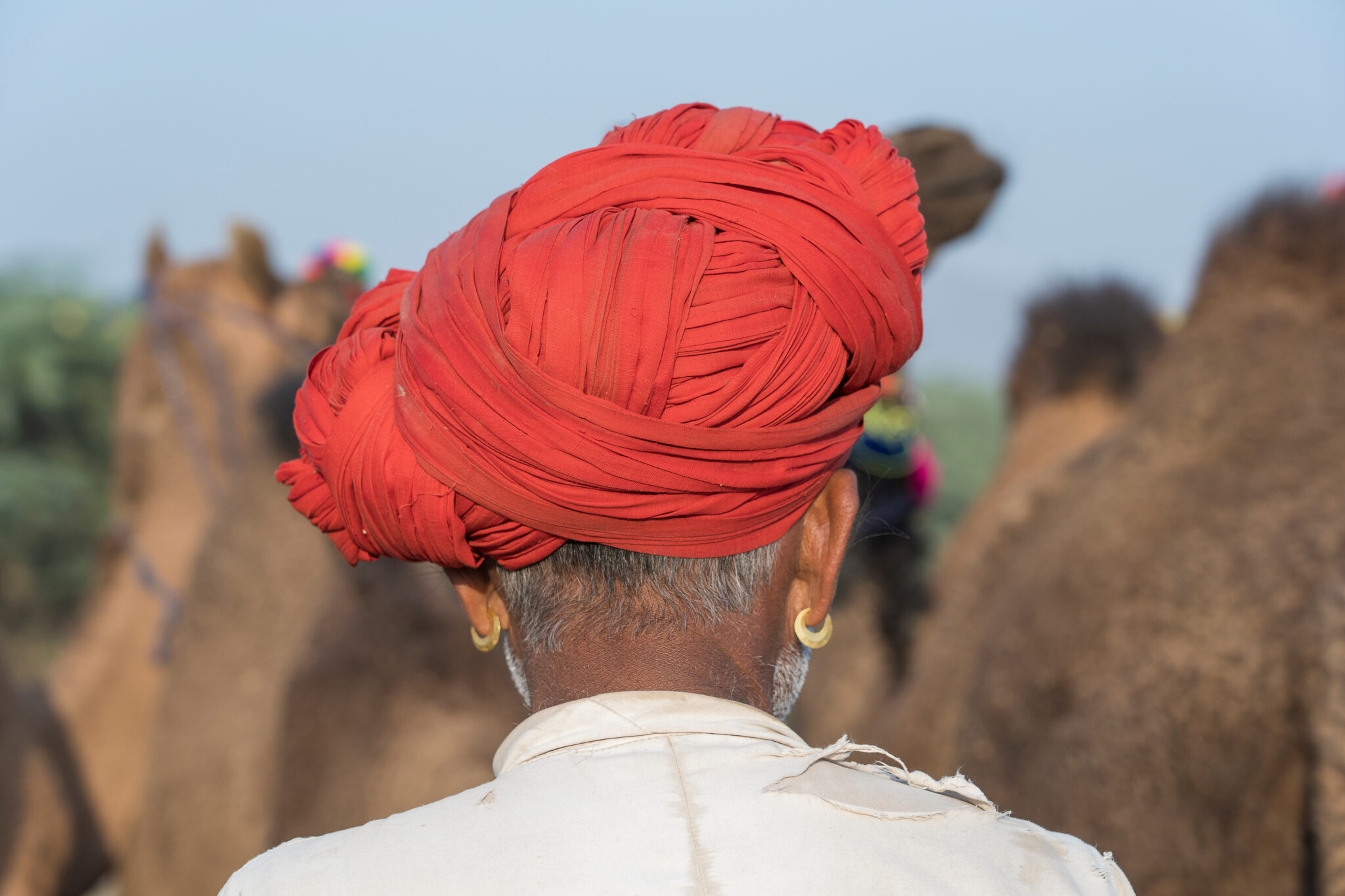
For many visitors, the first impression is almost surreal.
Thousands of camels stretch across the desert landscape. Traders negotiate prices beneath colorful tents. Musicians perform traditional songs while dancers in vibrant clothing move through the crowds. Hot air balloons rise above the horizon as the morning sun illuminates the sands of Rajasthan.
At first glance, India’s Pushkar Camel Fair appears to be a spectacular cultural event designed for photographers and travelers.
Yet behind the colorful scenes lies something far more meaningful.
For generations, the Pushkar Camel Fair has been an important gathering point for communities across Rajasthan, combining commerce, tradition, religion and celebration in a way few events still manage to achieve today.
It is not simply a festival.
It is a living reflection of rural India.
A Marketplace Born From Necessity
Long before tourists arrived with cameras and smartphones, traders were making their way to Pushkar with livestock.
In the harsh conditions of Rajasthan’s desert regions, camels were once among the most valuable assets a family could own. They provided transportation, supported agriculture and played an essential role in everyday life.
The annual gathering allowed breeders, farmers and traders from different regions to meet, exchange knowledge and conduct business.
For many participants, the fair represented an important economic event that could influence an entire year’s income.
Although modern transportation has reduced the practical importance of camels in many areas, the trading tradition remains an important part of the fair’s identity.
Even today, thousands of animals are bought, sold and displayed during the event.
The Heart Of Rajasthan
What makes Pushkar unique is that the fair extends far beyond livestock trading.
Over time, it evolved into one of India’s most significant cultural gatherings.
Visitors encounter folk musicians, craftsmen, artists, storytellers and performers representing traditions that have been passed down through generations.
Colorful turbans, embroidered textiles and traditional jewelry transform the fairgrounds into a celebration of regional identity.
For many local communities, participation is not simply about business or tourism.
It is about preserving heritage.
Families travel long distances to attend, reconnect with relatives and celebrate customs that remain deeply woven into the social fabric of Rajasthan.
Where Faith And Tradition Meet
The location itself adds another dimension to the experience.
Pushkar is considered one of India’s most sacred towns and is home to the famous Brahma Temple, one of the few temples in the world dedicated to the Hindu creator god Brahma.
Each year, the camel fair coincides with an important religious pilgrimage.
While traders conduct business and visitors explore the festivities, thousands of pilgrims gather around Pushkar Lake to perform rituals and prayers believed to bring spiritual blessings.
This unique combination of commerce, culture and faith creates an atmosphere unlike any other festival.
It is a reminder that in many parts of the world, traditions are not neatly separated into categories. Economic life, religious life and community life often exist side by side.
A Festival Of Human Connection
In an increasingly digital world, there is something refreshing about events that continue to bring people together face-to-face.
The Pushkar Camel Fair remains one of those places.
Deals are still negotiated through conversation rather than online platforms. Stories are shared around campfires. Musicians perform before live audiences rather than algorithms.
The event offers a glimpse into a rhythm of life that feels increasingly rare.
Visitors often arrive expecting a spectacle.
Many leave remembering the people.
The traders who have attended for decades. The families continuing traditions handed down through generations. The artisans preserving skills that might otherwise disappear.
These encounters often become the most memorable part of the experience.
Beyond The Tourist Experience
As the fair has gained international attention, it has naturally evolved.
Today, visitors can enjoy cultural performances, competitions, camel parades, local cuisine and a wide range of activities designed to showcase Rajasthan’s unique heritage.
Yet despite its growing popularity, the event has managed to retain much of its original character.
At its core, the fair remains rooted in the communities that created it.
This authenticity is perhaps what continues to attract travelers from around the world.
In an age where many destinations compete for attention through larger attractions and bigger entertainment budgets, Pushkar demonstrates the enduring appeal of tradition.
Why Events Like This Matter
Festivals such as the Pushkar Camel Fair remind us that travel is not only about places.
It is also about people, stories and traditions.
While iconic landmarks may attract visitors, it is often cultural experiences that create lasting memories and deeper understanding.
Events like Pushkar offer an opportunity to step beyond guidebooks and discover how communities celebrate, work, worship and connect.
They reveal a side of a destination that cannot be fully understood through photographs alone.
Final Thoughts
The Pushkar Camel Fair may be famous for its camels, but reducing it to a livestock market misses the larger story.
It is a gathering shaped by history, sustained by tradition and enriched by the communities that continue to make it relevant today.
For travelers seeking experiences that go beyond the ordinary, Pushkar offers something increasingly valuable: authenticity.
And perhaps that is why, year after year, people continue to journey across deserts and continents to be part of it.
Is There A Festival We Should Feature?
Around the world, countless traditions bring communities together, preserve local culture and create unforgettable experiences.
If you know of a festival, celebration or cultural event that deserves a place on Bucketlist, we’d love to hear from you.
Share your suggestion and help us discover the stories that make destinations unique.