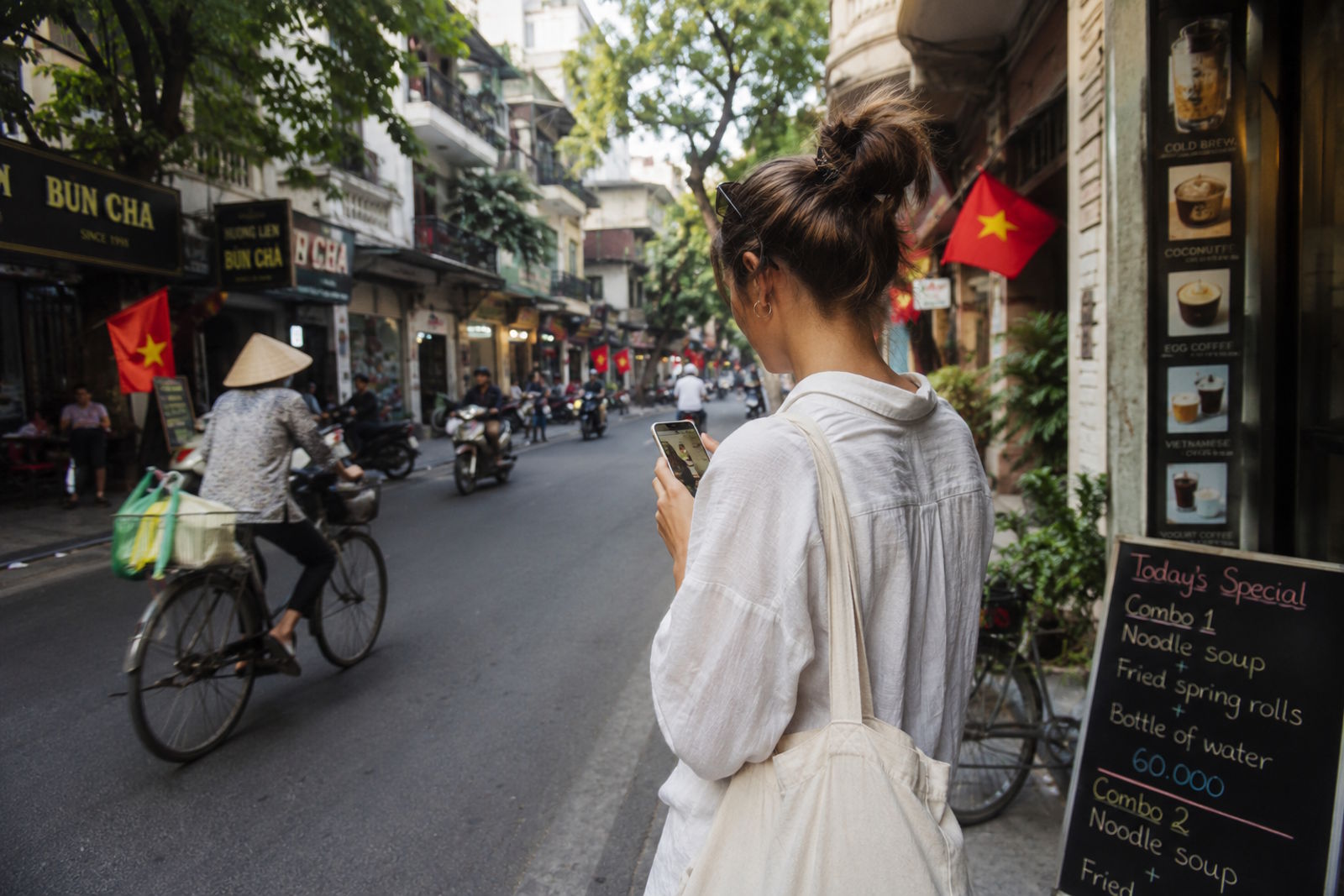
A realistic look at language barriers, property management, digital tools, and daily life in Southeast Asia.
By Bucketlist Editorial | Expatriate Living & Property Insights
Moving to Southeast Asia usually begins with a checklist of practical questions: cost of living, visa structures, healthcare quality, and long-term property perspectives. Yet for anyone considering a move to Vietnam, one question routinely stands out: Can you comfortably live here without speaking the local language?
The short answer is yes—thousands of foreign professionals, entrepreneurs, and retirees do so every day.
The complete, unvarnished answer is: it depends entirely on where you live, how you manage your daily affairs, and how often you step outside well-trodden international enclaves.
Vietnam is not Singapore, Hong Kong, or the Philippines. English is neither an official language nor universally spoken. While living in Vietnam’s major commercial hubs without knowing Vietnamese is entirely feasible, doing so requires a clear understanding of where English works, where technology is mandatory, and where the language barrier remains a solid wall.
The Expat Bubble vs. Everyday Reality
If your daily routine revolves around modern residential towers, international cafes, private medical centers, and English-speaking agencies, you can easily spend months speaking barely a word of Vietnamese. In neighborhoods like Thao Dien (District 2) or Phu My Hung (District 7) in Ho Chi Minh City, or Tay Ho in Hanoi, the service ecosystem is heavily tailored to international residents.
However, stepping two streets outside these districts shifts the dynamic entirely.
The average market vendor, taxi driver, small shopkeeper, or neighborhood handyman speaks little to no English. Furthermore, unlike in tourist-centric hubs elsewhere in the region where service staff rely on fixed, conversational English phrases, routine interactions in local Vietnamese neighborhoods require adaptability. Expecting fluent English in daily local life is a quick route to frustration.
The Administrative & Legal Reality
Vietnam operates under a single official language: Vietnamese.
Unlike jurisdictions that maintain bilingual legal frameworks, all public administration, tax portals, official property ownership certificates (Sổ Hồng / Pink Book), and formal contracts are produced exclusively in Vietnamese.
| Service / Situation | English Availability | Practical Reality |
| Cafes & International Dining | High | Staff in urban centers are generally comfortable with basic English orders. |
| Ride-Hailing & Logistics (Grab) | Complete | Apps handle addresses and payments; no spoken communication needed. |
| Private International Hospitals | High | Doctors and administrative coordinators speak fluent English. |
| Real Estate Agencies (Foreign Market) | High | Brokers speak English; legal contracts are in Vietnamese with translations provided. |
| Building Management (Ban Quản Lý) | Low to Moderate | Official notices and maintenance communications are issued in Vietnamese. |
| Banking & Branch Visits | Moderate | Banking apps feature English, but complex branch inquiries often require local help. |
| Public Healthcare & Government Offices | Very Low | Procedures require official Vietnamese documentation and local assistance. |
While reputable property developers, law firms, and agencies supply working English translations of contracts, the Vietnamese text remains the sole legally binding version. Long-term foreign residents quickly learn that professional legal counsel or a trusted local representative is non-negotiable for serious administrative procedures.
The Alphabet Advantage—and the Tone Trap
For Western expatriates, Vietnam offers one significant advantage over many neighboring Asian destinations: Vietnamese is written in the Roman/Latin alphabet (Quốc Ngữ).
Why the Alphabet Matters
You can read street signs, identify store names, type addresses into navigation apps, and copy text directly into translation software without learning a new writing system. This makes navigating cities independently vastly easier than in countries with non-Latin scripts.
The Tonality Trap
However, this familiarity creates a common trap. Vietnamese is a six-tone language. The word “ma” can mean ghost, mother, tomb, horse, rice seedling, or but—depending entirely on the pitch contour. Attempting to read a Vietnamese street name or menu aloud using Western pronunciation usually results in complete incomprehension from locals. Reading the language is accessible; speaking it intelligibly requires dedicated phonetic training.
Technology as the Everyday Equalizer
The primary reason living in Vietnam without speaking the language has become significantly easier in recent years is not a sudden surge in English fluency, but deep digital integration.
- Messaging & Translation via Zalo: Zalo is Vietnam’s dominant messaging app. Building managers, landlords, delivery drivers, and handymen routinely communicate through Zalo. Because the app integrates seamlessly with translation tools, non-Vietnamese speakers can negotiate leases, request repairs, and arrange deliveries via text with minimal friction.
- Cashless Payments (VietQR & MoMo): Vietnam’s rapid shift toward QR-code payments means daily financial transactions rarely require verbal negotiation over prices or change.
- Ride-Hailing Services: Platforms like Grab handle navigation, vehicle identification, and fare calculation entirely through the app interface, bypassing language friction with drivers completely.
Cultural Etiquette: The Power of Honorifics
While learning fluent Vietnamese is a steep commitment, mastering basic cultural etiquette transforms daily interactions. Vietnamese social dynamics rely heavily on honorific pronouns reflecting age and respect.
Instead of generic greetings, using appropriate terms shows immediate cultural awareness:
- Anh: Addressing a slightly older man (“older brother”).
- Chị: Addressing a slightly older woman (“older sister”).
- Em: Addressing anyone younger than you, regardless of gender.
- Chú / Cô: Respectful terms for men or women of an older generation.
A simple “Cảm ơn anh” (Thank you, brother) to a building guard or driver creates far more goodwill and patience than relying solely on English.
Who Thrives Using English—and Who Needs Vietnamese?
Living Primarily in English Works Well For:
- Remote professionals and executives based in major urban hubs.
- Secondary residence owners staying for seasonal periods.
- Residents residing in international complexes who utilize private healthcare and professional management services.
Basic Vietnamese Becomes Essential For:
- Long-term investors and business operators managing local workforces.
- Residents living outside major metropolitan areas or in traditional residential neighborhoods.
- Anyone seeking genuine cultural integration and deep relationships beyond the international expatriate community.
Final Verdict
Can you live in Vietnam without speaking Vietnamese? Yes—provided you set realistic expectations.
In Vietnam’s primary cities, English combined with modern digital tools will comfortably carry you through 80% of daily life. For the remaining 20%—which includes legal paperwork, property transactions, building management, and unexpected real-world complications—you will need professional translation, digital messaging tools, or local assistance.
Accepting this balance allows foreign residents to enjoy the extraordinary dynamic energy, high quality of life, and rich culture of Vietnam without feeling overwhelmed by the language barrier.