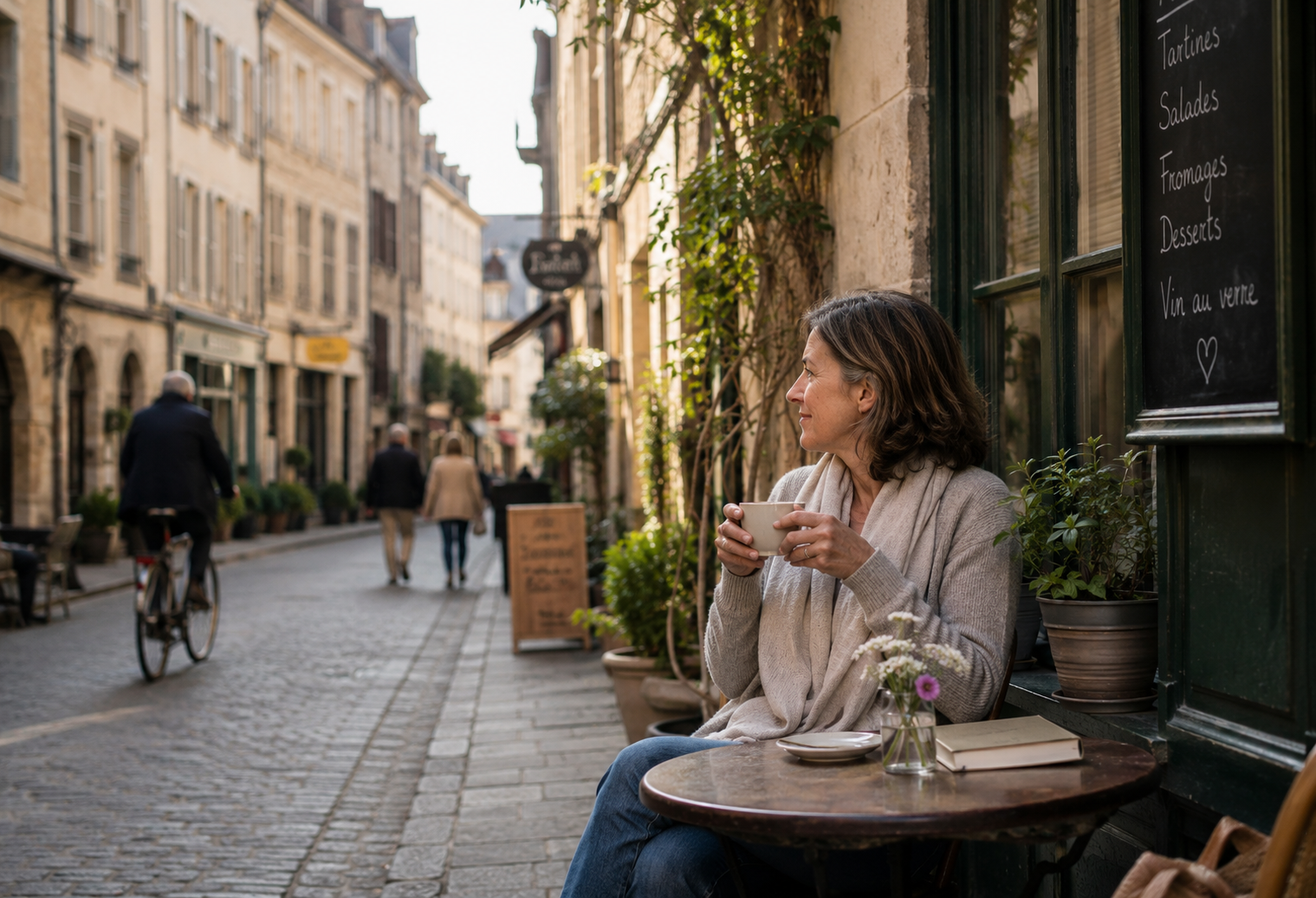
There is a moment that many long-term travelers experience, although few recognize it when it first arrives.
In the beginning, travel is often driven by movement. The excitement comes from crossing borders, discovering unfamiliar places and adding another destination to a growing collection of memories. A long weekend becomes a city break, a city break turns into a multi-country journey and before long, the number of countries visited can feel like a measure of experience itself.
For a while, this approach makes perfect sense. The world feels vast, every destination offers something new and there is always another place waiting to be explored.
Yet for many people, something gradually changes.
Not overnight. Not because they lose their curiosity.
Instead, they begin to discover that the moments they remember most are no longer necessarily the famous landmarks, the historic monuments or the attractions that appear on every travel website. More often, they find themselves thinking about the café they visited three mornings in a row, the evening walk along a familiar waterfront or the market vendor who now greets them by name.
Without realizing it, they have started paying attention to daily life rather than sightseeing.
And that subtle shift changes everything.
When The Attraction Is Everyday Life
Most destinations are exceptionally good at presenting their highlights. Visitors are shown the most beautiful viewpoints, the most famous beaches and the most photographed streets. Travel guides are designed to help people experience as much as possible in the shortest amount of time.
Yet none of these things truly answer the question that becomes increasingly important during a longer stay: What is it actually like to live here?
A destination can be exciting for three days and exhausting after three months. Equally, a place that initially seems quiet or even slightly unremarkable can slowly reveal a quality of life that becomes difficult to leave behind.
Long-stay travelers often discover that the things that matter most are rarely the ones featured in tourism campaigns. The atmosphere of a neighborhood, the ease of daily errands, the friendliness of local shop owners, the reliability of public services or the simple pleasure of walking through familiar streets begin to shape their experience far more than any landmark ever could.
These details rarely appear in brochures, yet they often determine whether a destination becomes part of someone’s life or remains simply another place visited.
The Unexpected Value Of Routine
Routine is not usually something people associate with travel. For many, it represents exactly what they were hoping to leave behind. Yet after spending weeks or months in one location, routine begins to take on a very different meaning.
It is no longer about repetition; it becomes a source of connection.
Knowing where to buy fresh bread each morning. Having a favorite table at a local restaurant. Recognizing familiar faces on a daily walk. Understanding local customs well enough to participate naturally rather than observing from the sidelines. These experiences create a sense of belonging that short-term travel rarely provides.
Even seemingly ordinary milestones begin to feel surprisingly significant. The first successful visit to a local government office, opening a library card, navigating a healthcare appointment without stress or finally understanding how everyday systems work can create a stronger sense of integration than many traditional tourist experiences.
What once felt foreign gradually becomes familiar. And familiarity, unexpectedly, becomes one of the most rewarding aspects of living abroad.
From Visitor To Neighbor
One of the clearest signs that a destination is becoming part of your life is the way other people begin to see you.
Visitors are often asked where they come from, what they have seen and how long they plan to stay. Long-stay residents eventually find themselves having entirely different conversations.
The café owner asks how a project is progressing. A neighbor mentions an upcoming local event. Shopkeepers recognize familiar faces. People begin speaking about next week rather than your departure date.
At some point, the destination stops treating you as a guest. It starts treating you as a neighbor.
This transition is subtle, yet for many people it marks the moment when a place begins to feel less like a destination and more like a home.
Escaping The Pressure To Constantly Explore
Another unexpected benefit of long-stay living is the freedom from what might be called the “pressure of travel”. Most travelers know the feeling: a day spent doing very little can sometimes feel like a missed opportunity. After all, there are museums to visit, attractions to see and experiences waiting around every corner.
Long-stay living changes that perspective.
A destination starts to feel different when you can spend an entire afternoon reading on a balcony, watching the world go by from a café or staying home during a rainy day without feeling guilty for “wasting” time. The need to constantly consume experiences gradually disappears, and life settles into a more natural rhythm.
Ironically, this often allows people to appreciate a destination more deeply than when they were trying to see everything at once.
Why Longer Stays Reveal A Different Side Of A Place
Many destinations have two personalities.
The first is the version presented to visitors. It is polished, exciting and designed to leave a strong impression.
The second only reveals itself with time. It appears during ordinary weekdays rather than holidays. It emerges through local conversations, community events and everyday routines. It can be found in neighborhood cafés, local markets and familiar walking routes rather than major attractions.
This second version of a destination is often far more important for people considering long-term stays, seasonal living or second-home ownership. After all, very few people spend every day visiting landmarks. Most spend their days living.
The longer someone remains in a destination, the more this distinction matters.
The Rise Of Slow Living
The growing popularity of remote work, flexible careers and seasonal lifestyles has made it easier than ever for people to spend extended periods in destinations that were once limited to short holidays. As a result, many travelers are replacing fast-paced itineraries with longer stays.
Rather than trying to experience ten destinations in a month, they choose one place and stay long enough to understand how life actually works there.
This approach is often described as slow living, although the phrase is sometimes misunderstood. The goal is not necessarily to move more slowly; it is to engage more deeply.
By spending time in one place, people begin to form relationships, establish routines and participate in everyday life rather than simply observing it. The destination gradually becomes less of a backdrop and more of a community. For many, that creates a far richer experience than constantly moving from one place to another.
Final Thoughts
Travel will always be about discovery, and there is undeniable joy in arriving somewhere new for the first time. Yet many experienced travelers eventually realize that the most meaningful experiences are not always found while moving.
Sometimes they emerge while staying.
They appear in familiar routines, local friendships and ordinary days that slowly become part of a larger story. The destination itself may not have changed, but the traveler’s relationship with it has.
At some point, the goal is no longer to collect countries. The goal is to build a life, however temporary, in places that feel good to wake up in each morning. And for many people, that is when travel becomes something deeper than movement.
It becomes belonging.
Has A Destination Ever Made You Stay Longer Than Planned?
Some places impress immediately. Others reveal their character slowly, rewarding those who stay long enough to experience everyday life beyond the guidebooks.
If a destination has changed the way you travel, we’d love to hear your story.